

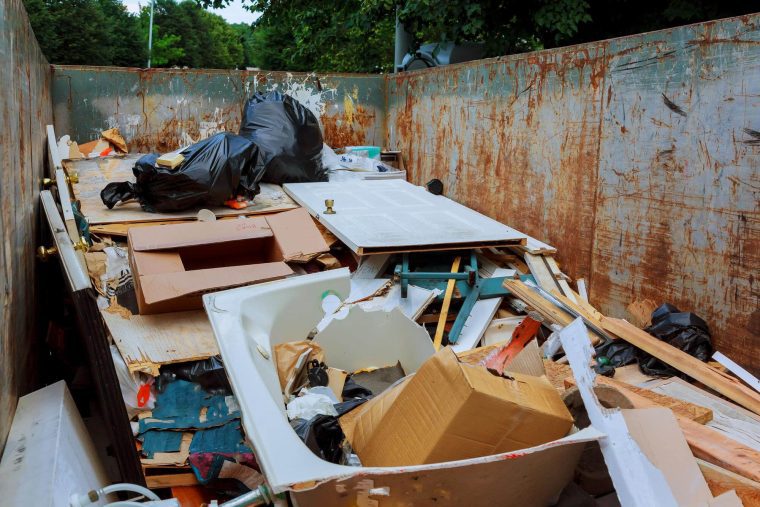
Anyone who has spent time managing a construction or renovation project knows that waste builds up faster than almost anything else on site. One day you’ve got a manageable pile of offcuts and packaging. A week later, you’re navigating around mountains of plasterboard, broken tiles, timber scraps, and assorted debris just to get from one end of the site to the other. Construction skip bin hire exists precisely to solve this problem, and when it’s done well, it changes the entire rhythm of a project for the better.
This isn’t just about tidiness for its own sake. A cluttered site is a slower site, a more dangerous site, and ultimately a more expensive site. Getting waste management sorted before work begins is one of the simplest things a project manager or tradie can do to protect both the timeline and the team.
The Real Cost of a Disorganised Site
It’s easy to treat rubbish removal as an afterthought — something to deal with at the end once the actual work is done. But that approach tends to backfire in a few predictable ways.
When waste accumulates without a clear system, crews spend time moving debris out of their way rather than getting on with the job. Materials get lost or damaged under piles of rubbish. Safety hazards multiply as sharp materials, heavy offcuts, and general clutter create obstacles throughout the workspace. And when the job wraps up, there’s suddenly an enormous amount of waste to deal with in a compressed timeframe, often at a higher cost than if it had been managed progressively throughout the project.
A skip bin on site from day one changes the dynamic entirely. Waste has a dedicated place to go, crews can work without obstruction, and the site stays presentable for inspections, client visits, and subcontractor access.
Choosing the Right Bin for a Construction Site
Not all construction waste is the same, and bin selection on a commercial or residential build needs to account for both volume and material type. Here’s a practical breakdown of how bin sizes map to typical construction scenarios:
| Bin Size | Trailer Load Equivalent | Typical Construction Use |
| 4m³ | 3–4 trailer loads | Small trade jobs, minor fitouts, single-room renovations |
| 6m³ | 4–5 trailer loads | Bathroom or kitchen strip-outs, medium residential builds |
| 8m³ | 5–6 trailer loads | Full home renovations, mid-size commercial fitouts |
| 9m³ | 6–7 trailer loads | Large residential builds, ongoing commercial projects |
| 10m³ | 7–8 trailer loads | Major construction sites, industrial and factory cleanouts |
For large-scale or long-duration projects, it often makes sense to arrange bin changeovers rather than hiring one enormous bin that becomes impractical to load and manage over time. Discuss this with your provider upfront so the logistics are sorted before work begins.
What Can and Can’t Go In
One of the most common complications on construction sites involves waste contamination — putting materials in a bin that shouldn’t be there. This can result in rejected loads, additional charges, and delays in collection. Knowing what’s accepted before loading starts saves a lot of headaches.
Accepted in General Construction Bins
- Timber, including offcuts, treated pine, and structural timber
- Plasterboard and gyprock
- Bricks, pavers, and masonry (check weight limits)
- Roof tiles and ceramic floor tiles
- Metal offcuts and light steel
- Insulation materials
- Packaging, cardboard, and general site rubbish
- Carpet and underlay
Not Accepted in Standard Bins
- Asbestos (requires a declared and separately managed bin with strict handling protocols)
- Liquid paints, solvents, and chemicals
- Pesticides and herbicides
- Flammable materials
- Vehicle tyres
- Gas cylinders
- Oil products
Asbestos in particular carries very specific legal requirements in Western Australia. Any skip intended for asbestos removal must be declared at the time of booking. Depending on the quantity involved, a licensed asbestos removalist may be legally required. Penalties for non-compliance are serious, so this is one area where cutting corners isn’t an option.
Commercial Rubbish Removal: Beyond the Basic Bin
For larger commercial projects, commercial rubbish removal often goes beyond simply having a bin on site. Shopping centres, office fitouts, schools, restaurants, and industrial facilities all generate waste in volumes and categories that require a more coordinated approach.
Dedicated commercial providers can arrange for multiple bins across a site, scheduled changeovers to keep things moving, and specific waste stream separation to meet sustainability requirements or reduce disposal costs. For account customers managing ongoing projects, regular invoicing arrangements can also simplify the administrative side of waste management considerably.
The key advantage of working with an experienced commercial provider rather than a general hire service is the depth of knowledge they bring to waste logistics. They’ve seen most scenarios before and can help avoid the common pitfalls that trip up projects when waste management isn’t properly planned.
Skip Bin Hire: Practical Tips for Site Managers
Getting the most out of your bins on a construction site comes down to a few straightforward habits that are worth building into the site routine from the outset.
- Position the bin strategically. Place it as close as practically possible to the main work area without creating a new obstruction. A bin that’s inconvenient to access tends not to get used consistently.
- Assign responsibility. On larger sites, nominate someone to monitor fill levels and arrange changeovers before the bin reaches capacity. Running out of bin space mid-project is a preventable problem.
- Separate waste streams from the start. If your project generates both general construction debris and heavy inert materials like concrete or soil, separating them into different bins from day one is far more efficient than trying to sort a mixed load later.
- Never overfill. Waste must sit level with the top of the bin for safe transport. An overfilled bin cannot be legally collected, which can stall your project at the worst possible moment.
- Communicate with your provider. Good skip bin providers can accommodate last-minute changeovers and urgent deliveries. Building that relationship early and keeping them informed of your project timeline means they can support you properly when you need it.
Why Waste Management Reflects on the Whole Project
There’s something worth saying about the broader impression a clean, well-managed site makes. Clients who visit the site during a build form opinions about the quality and professionalism of the work based on what they see, and a cluttered, waste-strewn site doesn’t inspire confidence regardless of what’s actually happening structurally.
Subcontractors notice too. Tradespeople who arrive on site to find clear, organised workspaces tend to work more efficiently and with better morale than those who have to navigate chaos just to set up their tools. That translates to real gains in productivity across the life of a project.
Waste management isn’t glamorous, but it’s foundational. Sort it out at the start, keep it managed throughout, and your project will run more smoothly from the first day of demolition to the final clean-up.
