

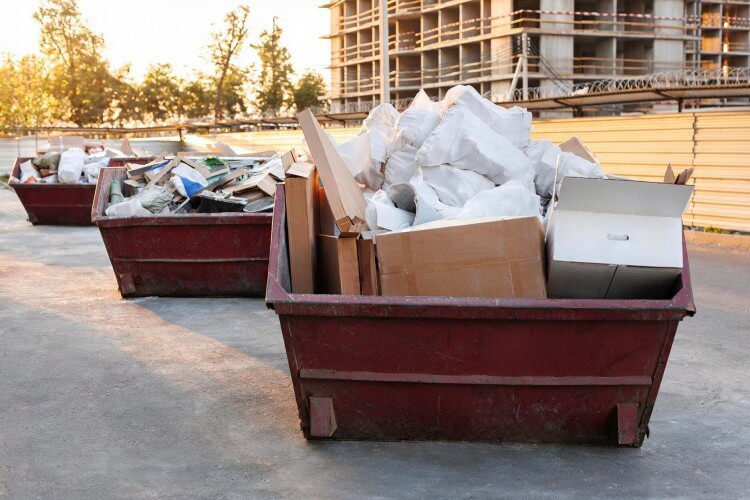
Construction projects move fast. Whether you are managing a major site or working on a home renovation, one of the biggest challenges is keeping the workspace clear of debris. If you have ever been on a site where rubbish has piled up, you know how quickly it becomes a safety hazard and a bottleneck for productivity. Getting your waste disposal sorted before you break ground is one of the smartest things you can do to keep your project on track.
Why Planning Matters
When you leave waste management until the last minute, you often end up scrambling for a solution. This can lead to delays in your timeline, extra costs for urgent delivery, or worse—a messy site that triggers safety concerns. By integrating your disposal strategy into your initial site plan, you ensure that your crew can focus on building rather than moving piles of scrap around.
What to Consider Before You Book
Before you pick up the phone, take a moment to look at the scale of your upcoming work. A small kitchen renovation creates very different waste compared to tearing down a brick wall or building a new extension. Here are the key things to think about:
- Waste Type: Are you dealing with mostly timber, bricks and concrete, or a mix of general materials? Some sites have strict rules about what can go together.
- Site Access: Can a large delivery vehicle get onto your property? If you are in a tight spot, you might need a smaller container.
- Timeline: When exactly do you need the container delivered? Having it arrive a day before you start demolition is usually the best approach.
- Placement: Where will the container sit? It needs to be on solid ground so the truck can drop it off and pick it up safely.
Estimating Your Volume
It is easy to underestimate how much waste a project will generate. As a general rule, it is always better to have slightly more capacity than you think you need. Running out of room halfway through a job causes unnecessary stress.
| Phase of Project | Expected Waste Type | Capacity Suggestion |
| Early Site Prep | Soil, green waste, old timber | 4–6 cubic metres |
| Demolition | Bricks, concrete, tiles, plasterboard | 8–10 cubic metres |
| General Construction | Offcuts, packaging, metal, general debris | 6–8 cubic metres |
| Finishing Stages | Minimal packaging, light materials | 2–4 cubic metres |
Managing Heavy Loads
If your site involves heavy demolition, you need to be careful. Heavy materials like concrete and bricks are incredibly dense. Most rental companies have weight limits to ensure the container can be lifted safely onto the truck. If you fill a large container to the brim with heavy rubble, it might be too heavy to transport. In these cases, it is often better to use a smaller, reinforced container specifically designed for heavy debris. Always talk to your provider about what you are throwing away so they can give you the right advice.
Keeping Your Site Safe and Productive
A clear site is a safe site. When rubbish is piled up, it creates trip hazards and blocks essential access paths for your workers and their equipment. By having a designated bin on-site from the very beginning, you encourage your crew to dispose of waste as they work. This simple habit keeps your site clean and improves overall efficiency.
Handling Commercial Rubbish Removal
For larger commercial projects, you might need a rolling contract where containers are swapped out regularly. This “swap and go” system is excellent for keeping a site clean over several weeks or months. You don’t have to worry about finding space for one massive container; instead, you get a fresh, empty one as soon as the current one is full. It keeps the workflow smooth and ensures your site remains professional and organised at all times.
Checklist for Success
To make sure you are ready for your next project, follow this simple checklist:
- Assess: Calculate the amount and type of waste you expect to generate.
- Contact: Call your local provider early to discuss your timeline and access needs.
- Prepare: Clear the area where the container will be placed, ensuring it is level and accessible.
- Communicate: Brief your team on what can and cannot go into the container.
- Monitor: Keep an eye on the fill level to avoid overflow issues, and schedule your collection before you hit the limit.
Taking the time to plan your construction skip bin hire is a small detail that pays off in a big way. It removes a major source of stress, keeps your workplace compliant with safety standards, and ensures that your project runs as smoothly as possible from the first day to the last.
